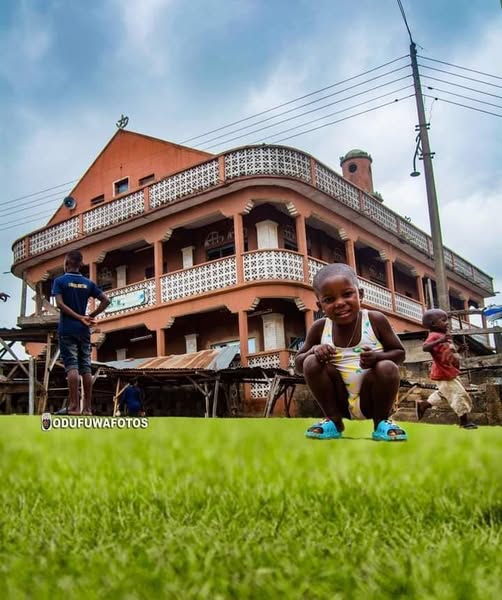
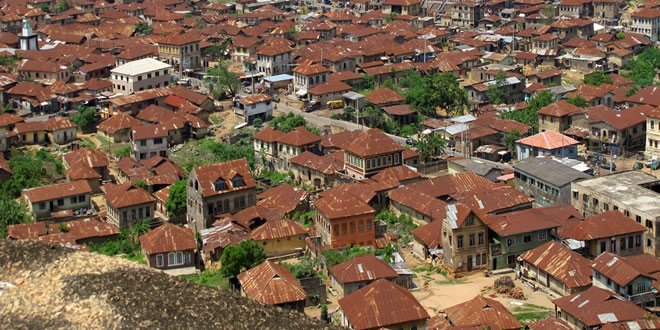
History reveals that Isara was founded by the great Ile Ife Prince from the Iremo Quarters (Prince Adeyemo also known as Ade Omo) who was a versatile Hunter. His hunting prowess brought him to the current Isara, settling down at Ereko Isara at first. Some say, Isara is coined from Asa - Ra while others say it is from Ise Ara however the title Odemo is from title Ode-Omo given to Prince Adeyemo when he helped Ijebu-Ode hunt down a troubling Elephant. Isara Remo is the headquarters of Remo North Local Government Area in Ogun State, South-West Nigeria.The Local Government Area (LGA) covers about 199 km².At the 2006 national census, Remo North LGA had a population of approximately 59,911.
While this is the official figure from 2006, current population estimates are higher.
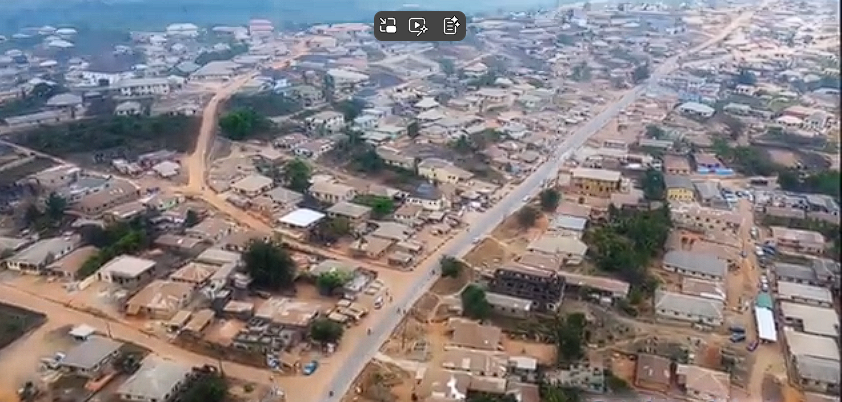
Geographically, Isara is built around a ridged, hilly terrain (“on a knoll”) which gives it good natural drainage and a defensible character in traditional terms. The town is bordered by the Ode-Remo, Akaka, Ipara and Imagbon communities.
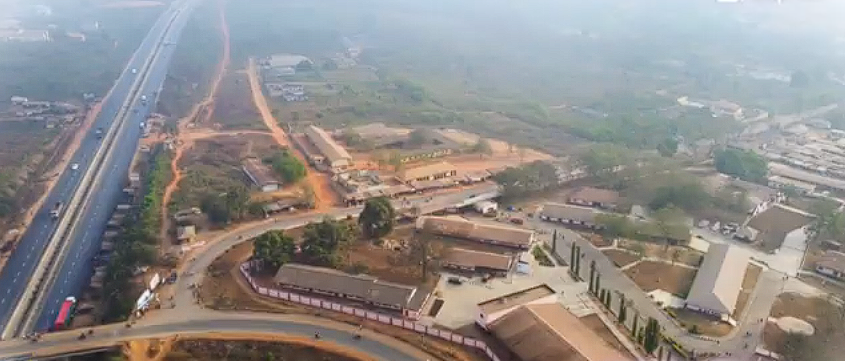
It is situated roughly halfway between the major cities of Lagos and Ibadan, giving it strategic access to major corridors.
The dominant ethnic group is the Remo division of the Yoruba, and the Yoruba (Remo dialect) language is spoken. Religiously, Christianity and Islam are widely practiced, with continuing observance of traditional religions and customs.
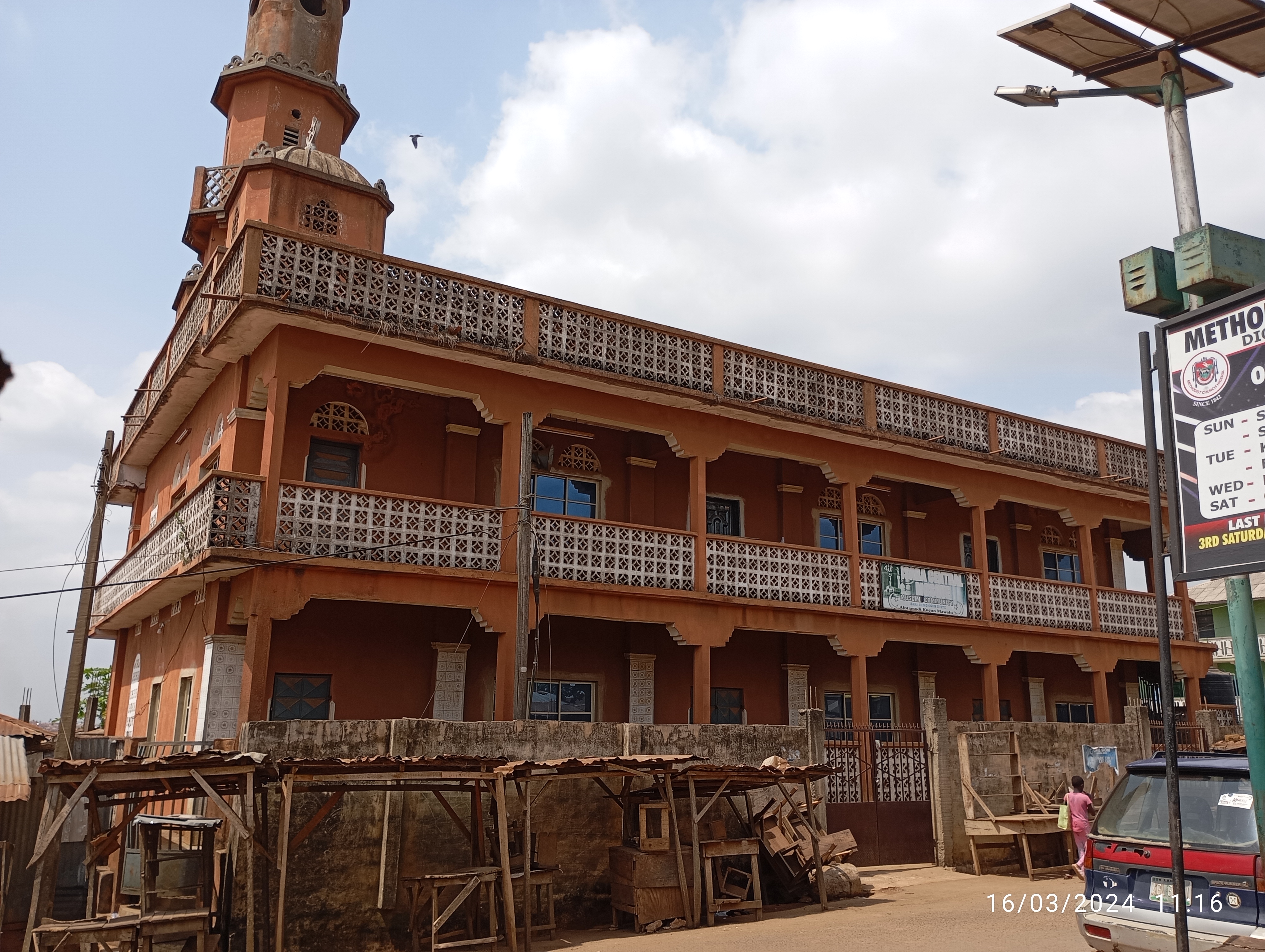
A key traditional motto (or saying) of the town is: “Afotamodi, k’ogun ma wo ’lu”, roughly meaning: “Isara whose city-walls are well-stocked with arms/munitions”, or figuratively “Isara of the impregnable city”.
Agriculture is a mainstay: oil-palm, cocoa, cassava, maize, yam, plantain, rice are widely cultivated. The area is described as the “food-basket” of the Remo zone.
The town also has deposits of high-quality clay, muscovite, granite, quarry materials and sand—making it mineral-rich in raw materials.
The blend of traditional Yoruba life, Christian and Islamic faiths, and modern schooling create a hybrid way of life: farming, trading, commuting to bigger cities, professional jobs.
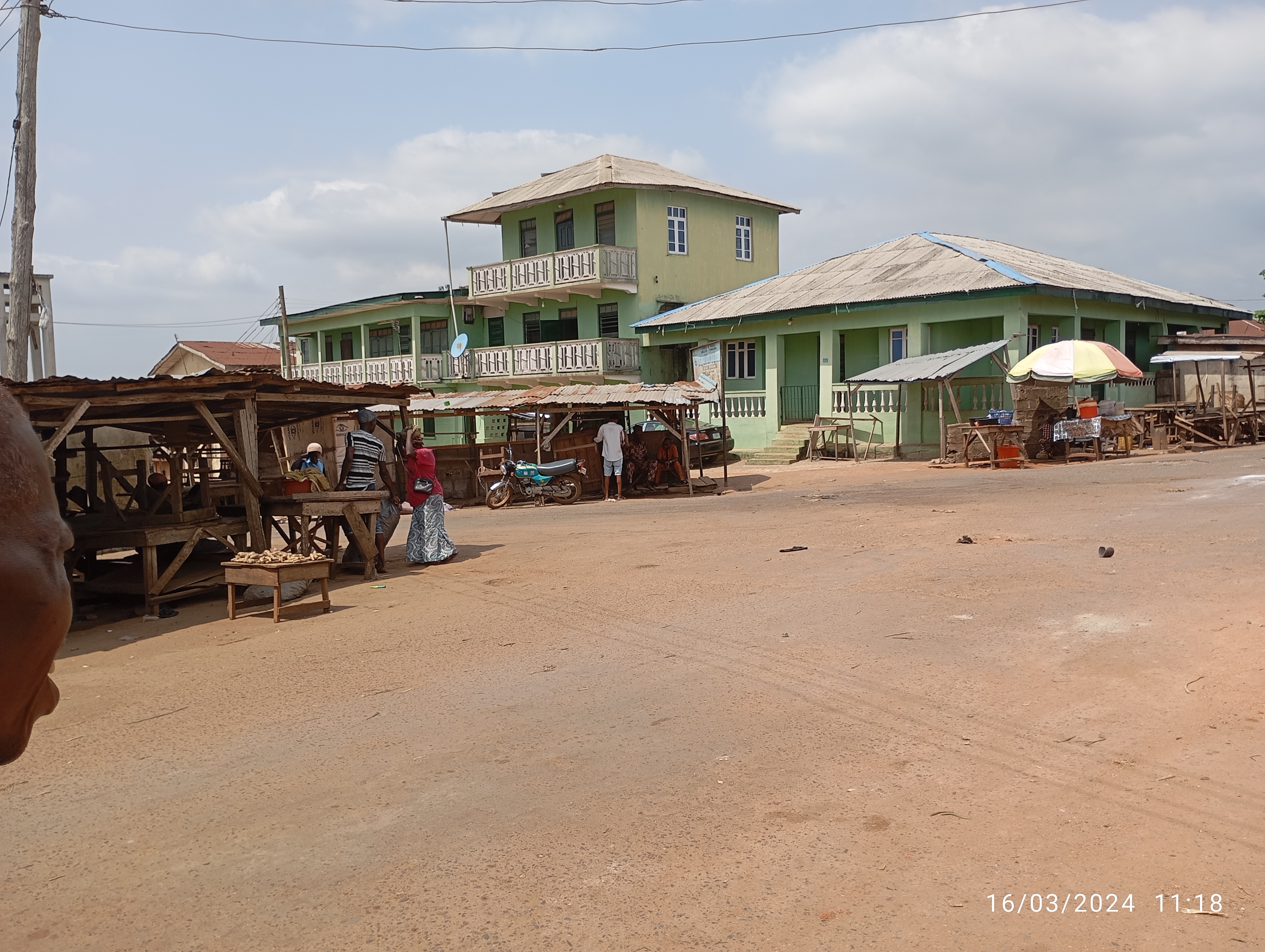
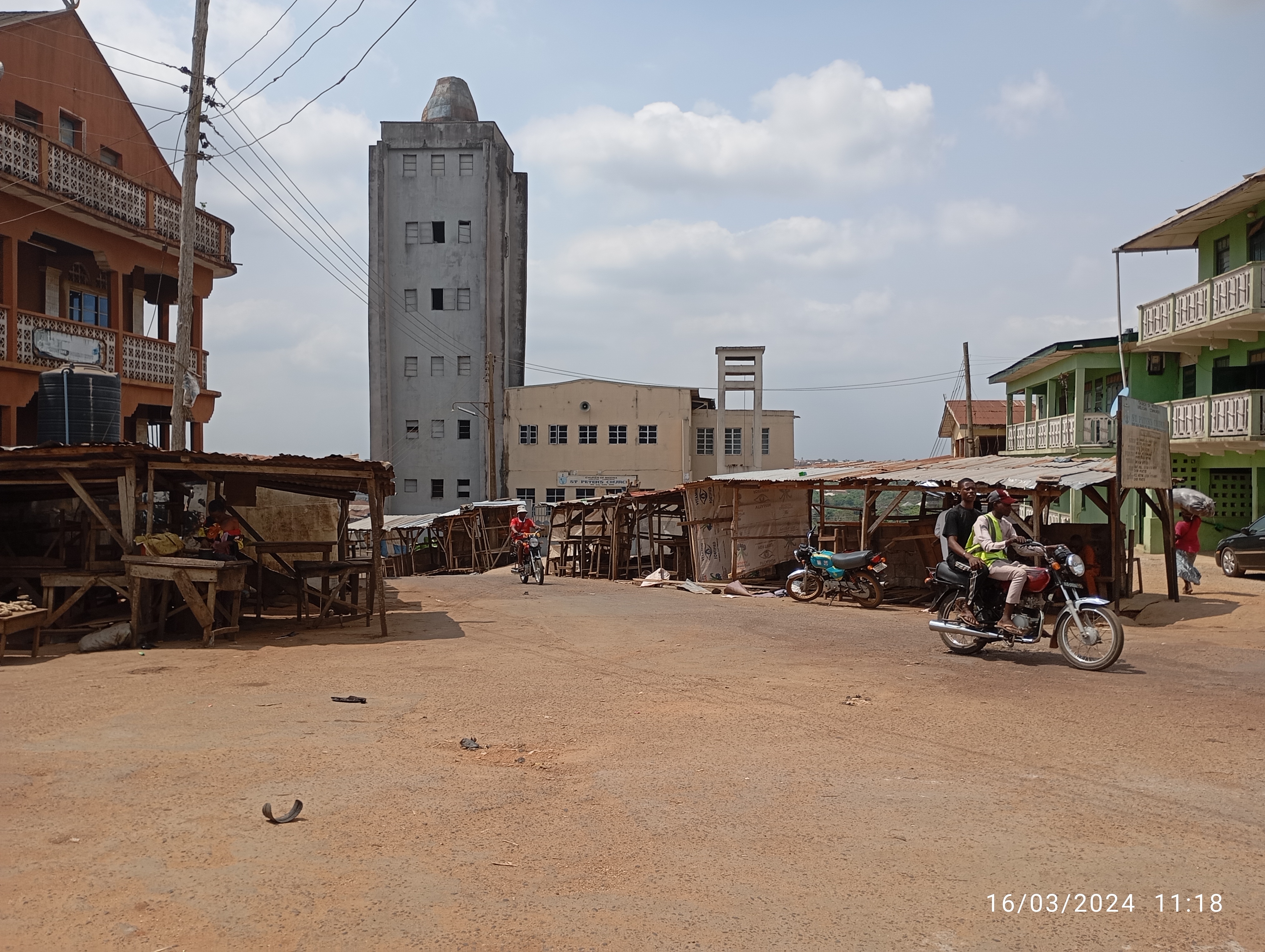
The town blends urbanising influences with strong rural/agricultural roots. Villages affiliated to Isara-Remo are many (over 100 villages listed across several zones). Isara is one of the 33 towns under the Remo lands and the second largest after Sagamu, 6th largest in OgunState. It has links to Lagos-Ibadan Expressway at the Saapade end, another link to Ago-Iwoye and the third link to Iperu Remo. There is another link from Isara to Lagos -Ibadan expressway. This is a long the old Isara - Fidiwo road.
The town's monarchical system is governed by a rotational selection process among six recognized ruling houses, all direct descendants of Prince Adeyemo's lineage.
Oba Adeyemo (Ode-Omo) — founder c. 1471. Ancestor of all ruling houses. Reigned from c. 1471–1500.
Prince from Ile-Ife; hunter who settled at Okerekere; titled Ode-Omo; had 11 children, including Adeniji, Adeniyi, Adebimpe, and Adegoke, forming the basis of ruling houses.
Oba Adeniji - First Son. Reigned (c. 1500–1520)
Eldest son of Adeyemo; first post-founder ruler; solidified settlement.
Oba Adeboye Oladele Osideinde (Igan II). Reigned (1989 – 1994).
Oba Wegusen
Legusen, Gbalaja, Saka (Sakasaka-mi-woroworo), Elehinkule Orifiwolupen: KIV
Oba Sekeloye (o joye-koye-wuni-i-je), Folagbade I, Folagbade II, Odukogbe, Olajano: KIV
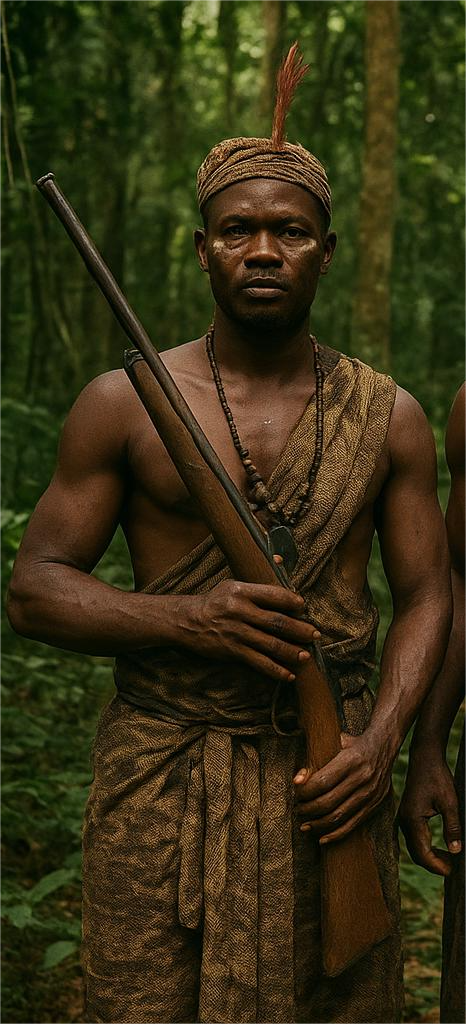
Oba Adeniyi - Second Son. Reigned (c. 1520–1540)
Son of Adeyemo; expanded hunting and farming communities.
Oba Rokodo I (c. 1600s). Linked to early successors like Rokodo I; known for warrior traditions and defensive roles in the town's history, produced notable modern rulers like Oba Adebayo Idowu Onadeko (Ogunsere Gbuko II). The ruling house is also known as Rokodo-Erinshiba or Rokodo Gbuko.
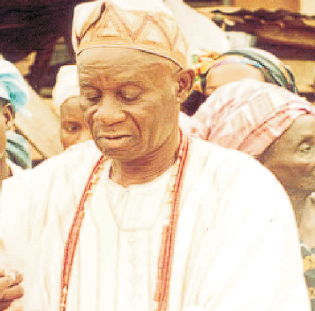
Traces to Oba Oyemade Adebimpe's line (Erinsiba I); associated with cultural and ritual custodianship, including the Ademukomi masquerade. Subsequently, after the rotation, Oba Mayungbe became the Odemo and the Ayoledoye I (meaning I was already wealthy before becoming the king). Picture of grandson of Oba Mayungbe Ayoledoye I, affixed; Idowu Mayungbe, son of Mebeyeje Mayungbe (direct son of Oba Mayungbe, Ayoledoye I). Oba Albert Adebose Mayungbe (Erinsiba III). (2018 — May 1, 2025 not recognised as family member. Lingering cases in court as the family claims he adopted the Mayungbe name and not one by birth.

From Adegoke's descendants (Poke I); symbolizes protection and community welfare, with historical ties to inter-town alliances during conflicts.
Oba Oba Adegoke Poke, Poke-Bi-Owula(5th Odemo, c. 1560–1580) -Poke I
Son of Adeyemo; linked to Owu influences; strengthened defences.
Oba Poke II
Oba Onabajo (Atokobo wa gbuwa) — (Poke III) who reigned from 1914-1941.
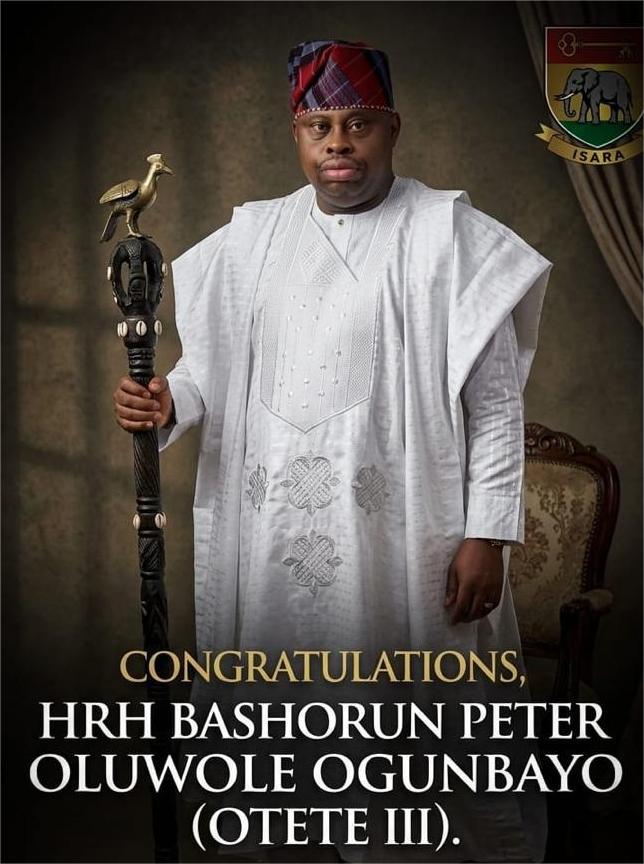
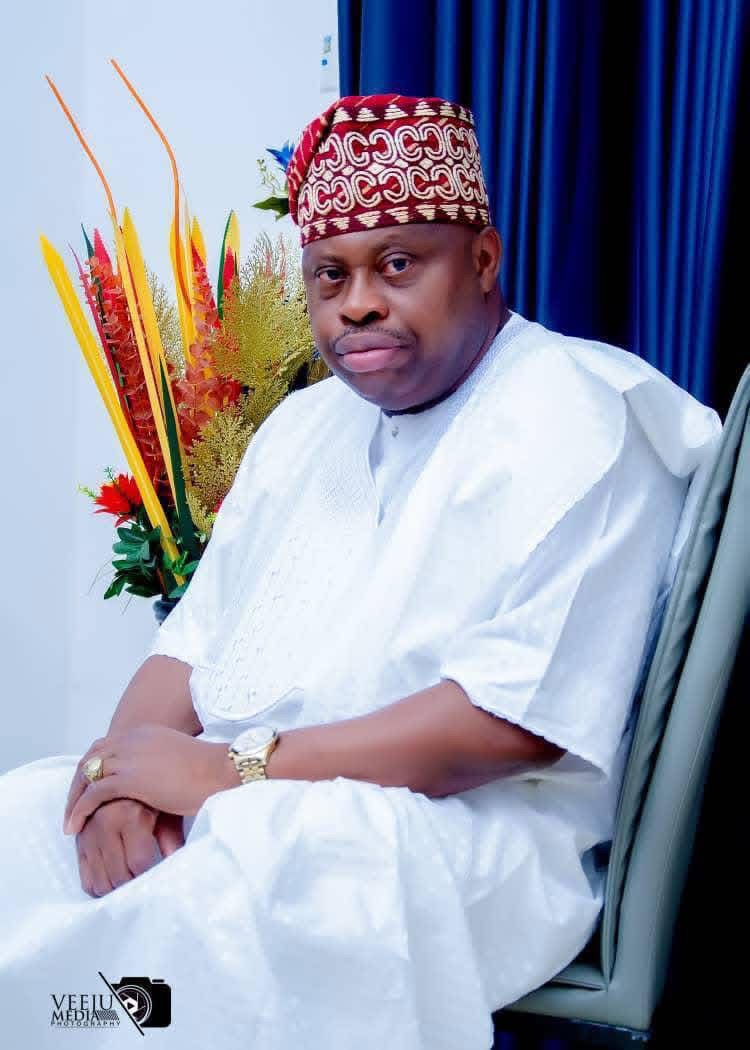
A branch emphasizing agricultural and communal harmony; less documented in recent rotations but integral to the rotational equity. Basorun Peter Oluwole Ogunbayo is the New Odemo of Isara Remo (Otete III). This appointment has been approved abd announced by the Government of Prince Dapo Abiodun.
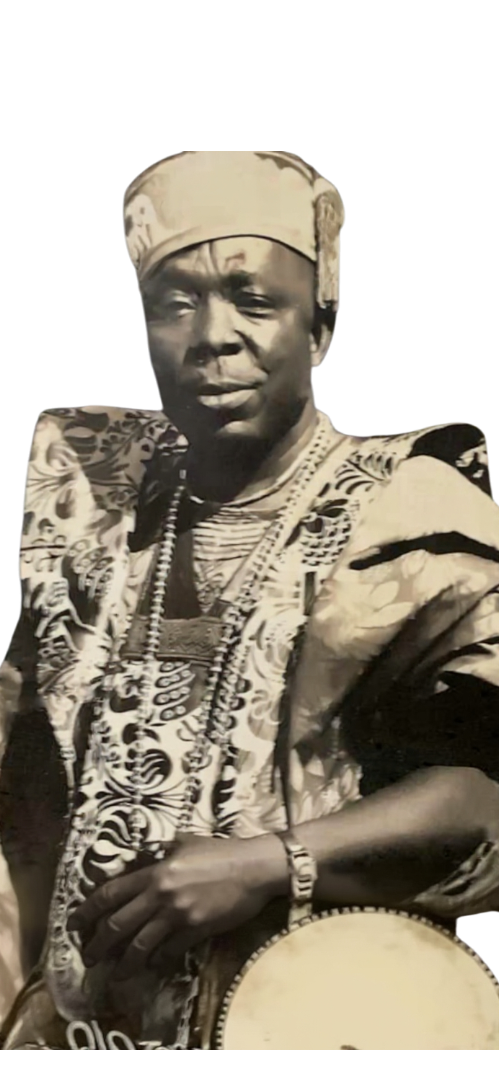
This house was introduced as one of the Ruling Houses by special intervention of the government to become the sixth ruling house. Focuses on advisory and diplomatic roles; contributes to the town's peacemaking heritage, as Isara is historically known as a neutral mediator in Remo conflicts.
Renowned Oba Samuel Adetayo Akisanya (Afonlade II) 34th Odemo. from 1941-1985. Longest serving Odemo of 44 years. Alaiyeluwa Oba Samuel Adetayo Akisanya, Afonlade II, OFR (1941 – 1985) is considered the greatest Oba in the history of Isara, Ogun state, if not in the Western region. Due to his forthrightness and fearlessness in the nation-building of Nigeria, he raised Isara from obscurity and gave it national recognition. Just based on his popularity and the force of his personality, he demonstrated the value of Yoruba kingship to the political order of the country. As the first English speaking Oba (Queen's English), died at age 87 in 1985.
.png)
.png)
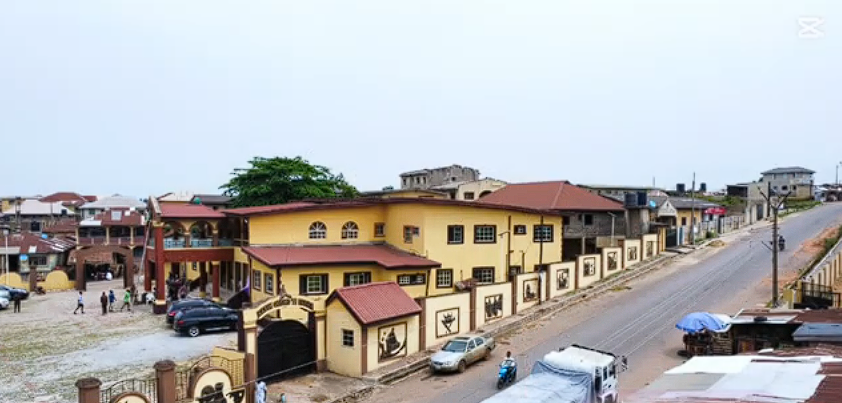
This is the Official Office of the Odemo of Isara Remo where he holds his strategic meetings with Chiefs, Visitors, Government officials etc. It has 5 large meeting rooms equipped with modern telecommunication equipment to hold conference across the border of the nation
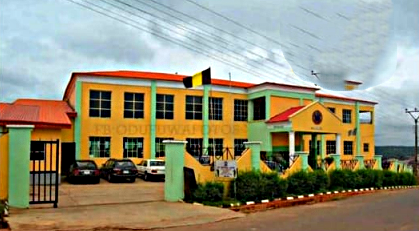
This is the town's for social events, conferences etc. It also houses a training centre and a world-class multi-media centre.
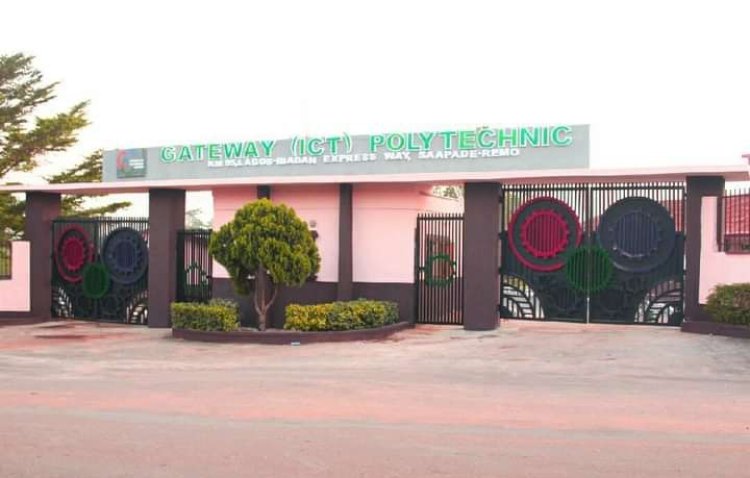
This is a State Govt Institution with a focus on ICT and technical education. Currently sits on a 53-hectares of land in the Saapade/Isara-Remo/Ipara/Ode.
Notable People of Isara Remo, Ogun
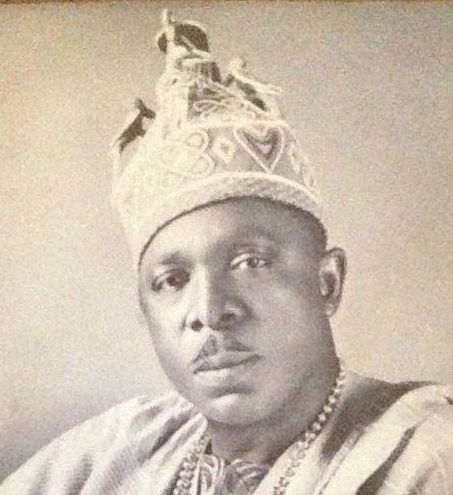
Born on 1 August 1898. Traditional ruler (Odemo - Afonlade I) of Isara from 1941-1985; trade-unionist and nationalist. Founding member of the Lagos Youth Movement which became Nigerian Youth Movement (NYM). Alaiyeluwa Oba Samuel Adetayo Akisanya, Afonlade II, OFR (1941 – 1985) is considered the greatest Oba in the history of Isara, Ogun state, if not in the Western region. Due to his forthrightness and fearlessness in the nation-building of Nigeria, he raised Isara from obscurity and gave it national recognition. Just based on his popularity and the force of his personality, he demonstrated the value of Yoruba kingship to the political order of the country. As the first English speaking Oba, he reigned as the Odemo of Isara for 44 years, until his death at age 87 in 1985.
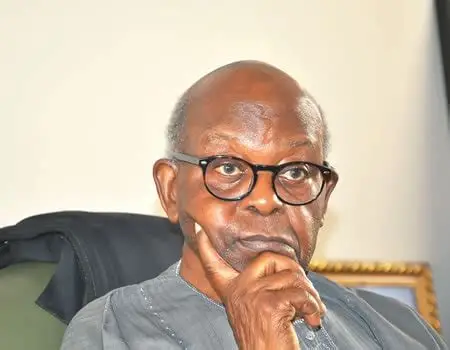
Born on 8 April 1925 at Gbasemo Compound, Itun Abe, Isara‑Remo, Remo North, Ogun State. Parents - Mr Benjamin Awoyemi Ajayi and Mrs Marian Efundolamu Ajayi.
Married to late Mrs Adunola Ajayi on 6 December 2007.
Started his education at Islamic Primary School in Epe, Lagos and Wesley College Ibadan, Oyo. And London School of Economics and Political Science, called to the English Bar in July 1962 (Lincoln’s Inn) and later Solicitor/Advocate of the Supreme Court of Nigeria. One of the foremost legal luminaries in Nigeria, Politician, Pan-Yoruba leader, Chieftain of Afenifere. Passed on to glory on 4 November 2016 (aged 91).
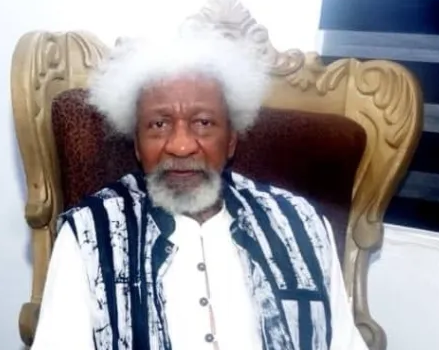
Born on 13 July 1934 to Mr Samuel Ayodele Soyinka and Mrs Grace Eniola Soyinka in Abeokuta, Ogun.
Started his Education at St. Peter’s Primary School, Ake, Abeokuta; Abeokuta Grammar School (1944-1948); Government College, Ibadan (GCI) (1948-1954); University College Ibadan (UCI) (1952–1954) - studied English, Greek, and History; University of Leeds, United Kingdom (1954–1957). Awarded Nobel Prize in Literature (1986), first Black African to do so; Anisfield-Wolf Book Award (1983); Agip Prize for Literature (1986). A foremost Playwright, Poet, Essayist, Novelist, Activist and Professor.
Born in the late 1940s, Professor Adedoyin Soyibo was educated at the University of Ibadan where he obtained B.Sc. (First Class Honours) Mathematics in June 1975; S.M. (Master of Science in Management) at Massachusetts Institute of Technology (MIT) (June 1979), Ph.D. in Economics (March 1983) at University of Ibadan. He has over three decades of research, consulting and tertiary teaching experience in Health and Population Economics, Banking and Finance, and Business and Entrepreneurship. He became lecturer, University of Ibadan, Ibadan; Nigeria on 1 August 1980 and was promoted to the rank of Professor on 1 October 1993. He retired from the University on 1 October 2011. However, he was appointed Distinguished Service Fellow, Department of Economics; August 2012. He has consulted widely for, and/or received research grants from many national and international organizations/agencies among which are: the World Bank, the International Monetary Fund, World Health Organization, International Labour Organization, the United Nations Children’s Fund, the United Nations Economic Commission for Africa(ECA), Rockefeller Foundation, MacArthur Foundation, Carnegie Corporation/International Health Policy Programme, International Development Research Centre(IDRC), Ottawa, Canada; African Economic Research Consortium, and African Development Bank; the United Kingdom Department for International Development(DFID); Partnership for Transforming Health Systems(PATHS), National Planning Commission, Nigeria and Federal Ministry of Health, Nigeria.
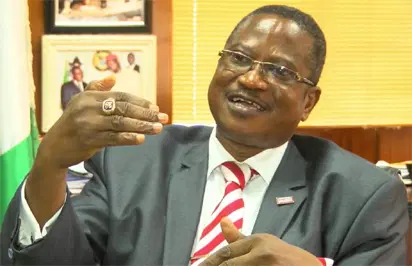
He was born on 12 October 1956.
He studied at Memphis State University (now the University of Memphis) in Tennessee, USA, earning a Bachelor of Science in Electrical Engineering (graduated in 1982).
He obtained a Master of Science in Electrical Engineering from University of Lagos, Nigeria.
He earned an MBA (Master of Business Administration) from Enugu State University of Science and Technology (ESUT), Nigeria.
He also earned a Master of Science in Organisational Leadership from Regis University, Denver, Colorado, USA.
He joined the power sector (initially the then-National Electric Power Authority or related distribution entity) in 1983. He was a former Managing Director / Chief Executive Officer of Eko Electricity Distribution Company (EKEDC) — a major electricity distribution company in Nigeria. and he retired in early 2018 after 35 years of service in power sector.
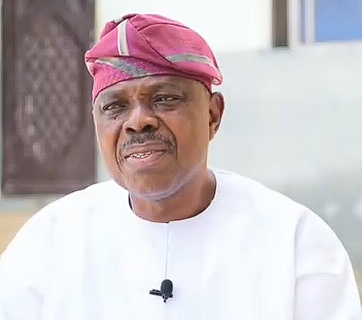
Mr. Benson Olusesan Lawal is the current Chairman of the Isara Development Council which started as Isara Community Development Association. Started his Education at St. Peter's School, Isara; Anglican Secondary Modern School, Isara; Methodist College, Calabar; He was a Teacher, Investment Banker, Development Economics. He was a Lecturer at Ogun State College of Education as Lecturer, Worked with Afribank and Nigeria Industrial Development Bank (NIDB) as Principal Investmnent Executive and rose to the position of Assistant Controller. He joined Abuja Stock Exchange, which metamorphosed to Abuja Community Exchange, where he became the General Manager.
Be part of the family. Whether you are in Diaspora or you are grandchildren or great-grandchildren, you connect today below: